sherullahblogger84@gmail.com
Americans are becoming more health-conscious than ever. With rising rates of chronic diseases like diabetes, heart disease, and obesity, nutrition experts are shifting focus from rigid diets to science-backed eating patterns that promote long-term health, sustainable habits, and real-world practicality.
Today’s healthy diet trends aren’t about restriction or fad foods. They’re about whole foods, metabolic balance, gut health, food quality, and eating with intention. Whether you’re looking to manage weight, boost energy, support immunity, or simply eat smarter, these trends reflect what nutrition professionals recommend right now for adults living in the United States.
This guide walks through the most important current diet approaches, explains why they work, and gives practical tips that fit everyday American lifestyles.
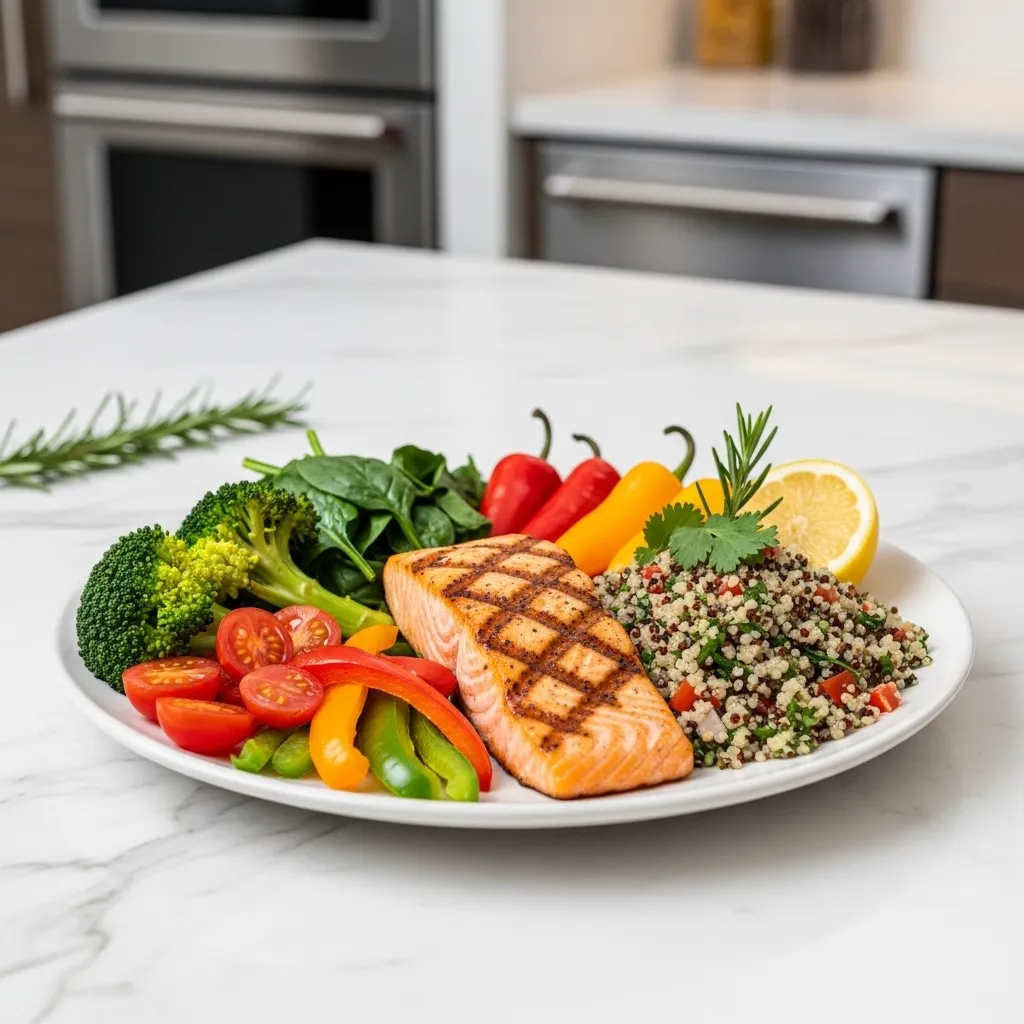
1. Whole Foods First — Real Food Over Ultra-Processed Options
What Experts Are Saying
Nutrition professionals increasingly emphasize whole foods — that is, foods that are as close to their natural state as possible.
This means:
- Fresh fruits and vegetables
- Beans, lentils, and legumes
- Lean proteins (fish, poultry, eggs, tofu)
- Whole grains (brown rice, oats, quinoa)
- Nuts, seeds, and healthy fats
Why This Matters
Ultra-processed foods (chips, sugary snacks, packaged meals) are linked to:
- Weight gain
- Elevated blood sugar
- Chronic inflammation
- Heart disease
Whole foods, on the other hand, provide fiber, vitamins, minerals, and antioxidants that support overall health.
Practical Tip
Make half your plate vegetables and fruits at every meal — a simple guideline backed by many dietitians.
2. Plant-Forward Eating — Without Needing to Be Vegan
What the Trend Really Means
A plant-forward diet emphasizes plants first, without requiring strict vegetarianism. A meal can still include lean animal proteins, but plant foods take center stage.
Health Benefits
- Improved digestion
- Better blood sugar control
- Lower risk of cardiovascular disease
- Increased fiber intake
How Americans Are Embracing It
- Meatless meals 3–4 times per week
- Swapping pasta for vegetable noodles
- Using beans or lentils as protein staples
Practical Tip
Try “Meatless Mondays” and experiment with plant proteins like chickpeas, tempeh, and edamame.
3. Mediterranean-Style Patterns — Old but Still Gold
What It Involves
The Mediterranean diet isn’t new — but it continues to top recommendations from U.S. health experts because of its consistency with long-term research.
Key features include:
- Olive oil
- Whole grains
- Fish and seafood
- Nuts and seeds
- Vegetables and fruits
- Moderate dairy
Why Experts Endorse It
Long-term studies show this pattern:
- Reduces risk of heart disease
- Supports brain health
- Helps with weight maintenance
Practical Tip
Replace butter with extra-virgin olive oil and aim for two servings of fish per week.
4. Gut-Friendly Nutrition — Feeding Your Microbiome
The Trend Explained
Emerging research highlights the importance of the gut microbiome — trillions of microbes living in your digestive tract that influence immunity, mood, metabolism, and inflammation.
Foods That Support Gut Health
- Probiotic-rich foods (yogurt, kefir, sauerkraut, kimchi)
- High-fiber vegetables and fruits
- Prebiotic foods (onions, garlic, asparagus, bananas)
- Resistant starch foods (cooled potatoes or rice, oats)
What This Means for You
A healthy microbiome supports:
- Regular digestion
- Better nutrient absorption
- Stronger immunity
- Balanced inflammation
Practical Tip
Aim for 5+ servings of plant fiber daily, and include a probiotic food at least a few times per week.
5. Lower Added Sugars — Not Keto Extreme, Just Realistic
Why Sugars Still Matter
Added sugars are linked with obesity, insulin resistance, fatty liver disease, and chronic inflammation — issues common in the U.S.
Experts aren’t pushing extreme low-carb diets for most people, but they are emphasizing reduced added sugars and refined carbs.
Practical Adjustments
- Skip sugary drinks
- Limit sweets to occasional treats
- Choose whole fruits instead of fruit juices
- Read labels for hidden sugars
Practical Tip
Use the American Heart Association’s guideline:
- No more than ~25 g/day for women
- No more than ~36 g/day for men
These limits help reduce metabolic risk.
6. Hydration as a Habit — Not an Accessory
What Experts Recommend
Hydration isn’t just about quenching thirst — it affects mood, digestion, energy, and metabolic processes.
Smart Hydration Habits
- Water first thing in the morning
- Drinking before meals
- Keeping a water bottle handy
- Limiting sugary and caffeinated drinks
Practical Tip
A simple rule of thumb is half your body weight in ounces of water per day (e.g., 160 lbs → ~80 oz).
7. Balanced Plate — The Evidence-Based Structure
What It Means
Rather than strict macronutrient rules (like “low carb” or “high protein”), many U.S. dietitians recommend a balanced plate:
- Vegetables/Fruits: ½ plate
- Protein: ¼ plate
- Whole Grains or Complex Carbs: ¼ plate
- Healthy Fats: Moderate amount
This simple model supports energy balance, metabolic health, and nutrient diversity.
Practical Tip
Divide your plate visually at meals — this habit keeps portions reasonable without meticulous counting.
8. Mindful Eating — Slow Down and Be Present
Why This Trend Matters
Mindful eating isn’t about calories — it’s about awareness. Many Americans eat distractedly (during work, screens, or on the go), which leads to:
- Overeating
- Poor digestion
- Lower satisfaction
- Emotional eating
Mindful Practices
- Eat without screens
- Chew slowly
- Notice hunger and fullness cues
- Pay attention to taste and texture
Practical Tip
Start meals with one deep breath — it calms the nervous system and promotes awareness.
9. Diverse Dietary Patterns — Personalization Over Dogma
What Experts Emphasize Today
Nutrition is not one-size-fits-all. Experts increasingly focus on personalized nutrition, meaning diets should match:
- Age and life stage
- Activity level
- Medical conditions
- Cultural preferences
- Food access
Examples of widely accepted patterns include:
- DASH diet (for blood pressure)
- Mediterranean diet
- Anti-inflammatory approaches
- Flexible plant-forward eating
Practical Tip
Work with a registered dietitian or clinician to tailor eating habits — especially if you have chronic conditions.
10. Sustainable and Ethical Eating — Growing in Popularity
Why It Matters
Environmental and ethical considerations influence food choices in the U.S. Many people now think about:
- Reducing food waste
- Choosing humane animal products
- Supporting local farmers
- Reducing environmental impact
Healthy eating isn’t just personal — it’s planet-aware.
Practical Tip
Shop seasonally and locally when possible — it often means fresher, more nutrient-dense produce.
How to Build a Healthy Eating Plan That Works for You
Here’s a simple framework that combines all expert trends:
- Start with whole foods — fruits, vegetables, legumes, lean proteins.
- Choose plants as a foundation — aim for plant-forward patterns.
- Balance each plate — vegetables + protein + whole carbs.
- Hydrate consistently — water first, limit sugary drinks.
- Reduce added sugars and refined carbs.
- Eat mindfully and enjoy your food.
- Adapt based on your lifestyle, culture, and goals.
Healthy eating isn’t perfect eating — it’s consistent, balanced, and flexible over time.
Frequently Asked Questions (FAQs)
1. Are carbs bad for me?
No — quality matters. Whole grains, legumes, and fiber-rich carbs support health. Refined carbs and added sugars are the ones to limit.
2. Should I go vegetarian or vegan?
Only if it fits your goals and you plan nutrient needs carefully. Plant-forward is often enough.
3. Is dairy healthy?
Dairy can fit well in a balanced diet unless you have intolerance or personal preference otherwise.
4. Do I need supplements?
Not always. Whole foods are the priority. Supplements may help if recommended by a healthcare provider.
5. Is intermittent fasting recommended?
It can work for some people, but it’s not necessary for everyone. The focus should be on consistent, quality eating.
6. How can I reduce sugar cravings?
Eat balanced meals with protein and fiber, stay hydrated, and reduce sugary drinks first.
7. Is organic food healthier?
Organic choices reduce certain pesticide exposures, but conventional produce is still nutritious.
8. Are fruit juices good for you?
Whole fruits are better — juices often lack fiber and are higher in sugar.
9. Can eating improve mood?
Yes — nutrient-dense foods support brain chemistry and energy balance.
10. How often should I eat?
There’s no universal rule — focus on hunger signals, balanced meals, and nutrient consistency.
Final Thoughts
Healthy diet trends in the United States are increasingly grounded in science, sustainability, and personalization. Nutrition experts agree on fundamental principles that are simple to adopt, realistic for everyday life, and supported by decades of research.
Instead of chasing fad diets, focus on whole foods, balanced meals, plant-forward choices, mindful eating, and consistency. That’s how Americans can build lasting eating habits that support health today and into the future.
If you’d like this transformed into a printable plate template or meal planning series, just let me know!