sherullahblogger84@gmail.com
In a nation where healthcare costs are high and chronic illnesses are common, more Americans are embracing daily health habits that boost longevity, strengthen the immune system, and improve overall quality of life. Staying fit is no longer just about the occasional gym visit — it’s about consistent lifestyle choices that support cardiovascular health, mental wellness, metabolic balance, and disease prevention.
This comprehensive guide explores the top daily health habits Americans are adopting right now, why they matter, and practical ways you can incorporate them into your everyday routine.
1. Walking and Movement Throughout the Day
Why It Matters
Many Americans are swapping sedentary routines for more movement. Walking — whether in short bursts or long daily walks — has become one of the most popular ways to stay active.
Health Benefits
- Improves heart health
- Helps with weight management
- Reduces risk of diabetes
- Enhances mood and boosts energy
- Supports joint health
How Americans Are Doing It
- Taking short walking breaks every hour
- Using step-tracking apps or wearable devices
- Walking or biking for errands instead of driving
- Walking meetings at work
Tip for You
Aim for 7,000–10,000 steps per day — that’s a realistic everyday goal for most people wanting to stay fit.

2. Prioritizing Quality Sleep Every Night
Why Sleep Is Essential
Sleep is one of the most powerful yet overlooked health habits. Quality sleep supports metabolism, brain function, immunity, and emotional balance.
What Americans Are Changing
- Setting regular sleep schedules
- Reducing screen time before bed
- Creating relaxing bedtime routines
- Using sleep trackers to monitor patterns
Health Gains from Better Sleep
- Lower stress hormone levels
- Better blood sugar regulation
- Reduced risk of heart disease
- Stronger immune response
Tip for You
Try to get 7–9 hours of sleep per night and avoid heavy meals or caffeine 2–3 hours before bedtime.
3. Drinking More Water and Staying Hydrated
Hydration Habits on the Rise
Hydration isn’t just about water bottles — it’s a daily wellness goal that helps every body system function properly.
Why It’s Important
Water supports:
- Digestion
- Cellular health
- Joint lubrication
- Body temperature regulation
- Mental clarity and energy
How Americans Are Hydrating
- Carrying reusable water bottles
- Adding electrolytes on hot days
- Drinking water before meals
- Swapping sugary drinks for water
Tip for You
Aim for half your body weight in ounces of water per day (e.g., 150 lbs → ~75 oz water).
4. Balanced Nutrition & Whole Foods Focus
Food Choices People Are Making
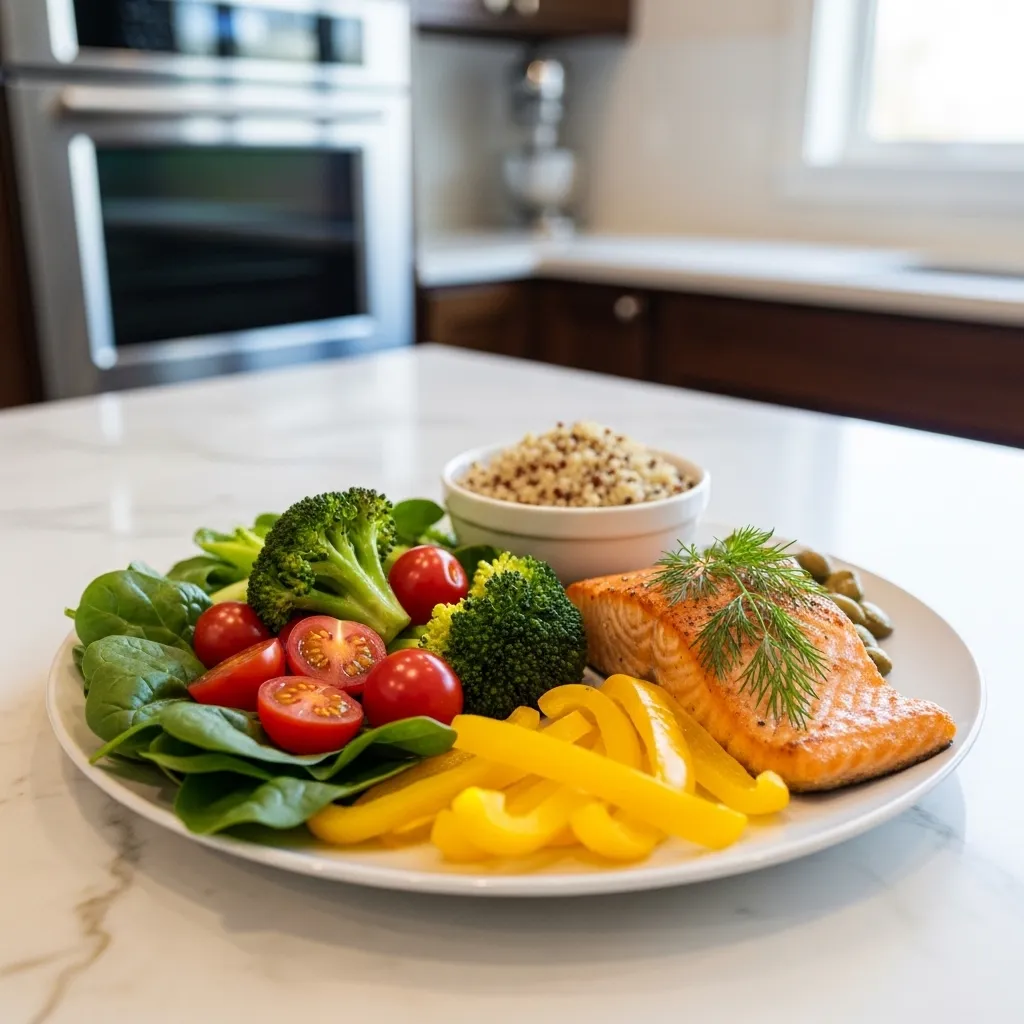
More Americans are moving toward nutrient-dense, whole foods and away from processed products.
Key Daily Nutrition Patterns
- Eating lean proteins
- Increasing fruits and vegetables
- Choosing whole grains
- Reducing added sugars
- Limiting ultra-processed snacks
Why It Matters
Good nutrition affects:
- Heart health
- Weight management
- Gut health
- Blood sugar control
- Inflammation reduction
Tip for You
Fill half your plate with vegetables at each meal — a simple habit with big health benefits.
5. Strength Training and Muscle Health
Why Strength Matters at Any Age
Muscle mass naturally declines with age, but strength training can:
- Preserve muscle
- Boost metabolism
- Improve posture
- Reduce injury risk
How Americans Are Getting Strong
- Home strength workouts
- Resistance bands or dumbbells
- Body-weight exercises (push-ups, squats)
- Classes at gyms or community centers
Tip for You
Aim for 2–3 strength sessions per week, even if they’re 15–20 minutes long.
6. Focused Stress Management Practices
Stress Habits on the Rise
With rising awareness of mental health, Americans are turning to daily stress-reducing practices.
Common Practices
- Meditation or deep breathing
- Journaling
- Nature walks
- Progressive muscle relaxation
- Limiting news/social media time
Why It Works
Stress contributes to:
- Heart disease
- Anxiety and depression
- Sleep issues
- Poor digestion
- Immune dysfunction
Tip for You
Start with 5 minutes of meditation daily — consistency matters more than duration.
7. Regular Health Screenings and Preventive Care
Routine Health Monitoring
Preventive care — like annual check-ups and screenings — helps catch risk factors early.
Examples of Daily Wellness Habits
- Checking blood pressure
- Tracking blood sugar levels
- Monitoring body weight or waist circumference
- Watching cholesterol and lipids through lab tests
Why It’s Important
Early detection of conditions like hypertension, prediabetes, and high cholesterol can save lives.
Tip for You
Stay current with age-appropriate screenings (e.g., blood pressure, cholesterol, colorectal cancer checks).
8. Mindful Eating and Portion Awareness
What Americans Are Doing
Mindful eating means focusing on the experience of eating, paying attention to hunger cues, and reducing overeating.
Benefits
- Better digestion
- Lower calorie intake
- Greater satisfaction from meals
- Improved relationship with food
How to Practice Mindful Eating
- Eat without screens
- Chew slowly
- Notice hunger vs. fullness
- Enjoy flavors and textures
Tip for You
Put utensils down between bites — it naturally slows eating and improves awareness.
9. Limiting Alcohol and Tobacco Use
Impactful Health Choices
Cutting back or quitting tobacco and reducing alcohol consumption are powerful habits that improve long-term health.
Why It Matters
- Lowers cancer risk
- Improves cardiovascular health
- Enhances sleep quality
- Reduces liver and metabolic risks
What Americans Are Trying
- Designated “no-alcohol” days
- Support groups or apps for smoking cessation
- Choosing mocktails or low-alcohol drinks
Tip for You
If you drink, follow moderation guidelines (up to 1 drink per day for women, 2 for men) and avoid smoking entirely.
10. Social Connection and Community Engagement
Why Relationships Matter for Health
Strong social ties are linked to longer life, better mental health, and lower stress levels.
Daily Habits People Use
- Calling or texting loved ones
- Joining community clubs
- Participating in group activities
- Volunteering locally
Research Shows
People with strong social networks have:
- Lower risk of depression
- Better immune function
- Greater life satisfaction
Tip for You
Reconnect with a friend or family member each week — even a short message counts.
Final Health Tips Americans Are Embracing Daily
Here’s a quick summary of habits consistently linked to better long-term health:
- Move more — aim for walking and strength activity every day
- Sleep well — prioritize restorative rest
- Eat whole foods — focus on plant-rich meals
- Hydrate smart — drink water over sugary drinks
- Monitor health — use screenings and check-ins
- Manage stress — practice calm, mindful routines
- Stay socially connected — nurture supportive relationships
- Limit toxins — reduce alcohol and avoid smoking
Frequently Asked Questions (FAQs)
1. How long does it take for daily health habits to make a difference?
Positive changes can start in as little as 2–4 weeks, with more dramatic health benefits over months and years.
2. Do I need a gym membership to stay fit?
No — walking, body-weight exercises, and home routines are effective and require little to no equipment.
3. What’s the most important habit to start with?
Many experts point to sleep and hydration as foundational — everything else builds on them.
4. How do I stay motivated every day?
Set simple, measurable goals and track progress with apps, journals, or wearable devices.
5. Are supplements necessary for good health?
Not always — whole foods should come first. Supplements can help when recommended by a healthcare provider.
6. How much water should I drink daily?
A common target is half your body weight in ounces (e.g., 160 lb → ~80 oz), but individual needs vary.
7. Is strength training safe for older adults?
Yes — with proper form and progression, strength work benefits all ages.
8. Can stress really affect physical health?
Absolutely — chronic stress impacts the heart, immune system, digestion, and sleep.
9. Should I check my health metrics regularly?
Yes — routine screenings help catch early warning signs.
10. How do I start if I feel overwhelmed?
Start small — even a 10-minute walk or a 5-minute night routine can kick-start healthy change.